Chef Tips for Creating a Signature Tomato-Based Red Sauce
It begins with the almighty canned tomato
Tomato-based sauces are where it all started for Italian cuisine, and continued to thrive as pizza and pasta grew and evolved. Signature red sauces are the stuff of Nonna memories for many chefs, but they almost always start with canned tomatoes.
Choosing the Right Canned Tomatoes
 Making tomato sauce with canned tomatoes saves on labor and cost of ingredients. Plus, it allows for consistency, especially when tomatoes are out of season, and a balance between sweetness and acidity. The key, chefs say, is to find a brand that produces a canned tomato that’s in line with food costs and meets your quality standards. Look for canned tomatoes that are picked fully ripened from the vine for optimal flavor, especially for raw tomato sauce on pizza. Alta Cucina, Dinapoli, Pomi, Roseli, San Marzano and Stanislaus are among chef favorites.
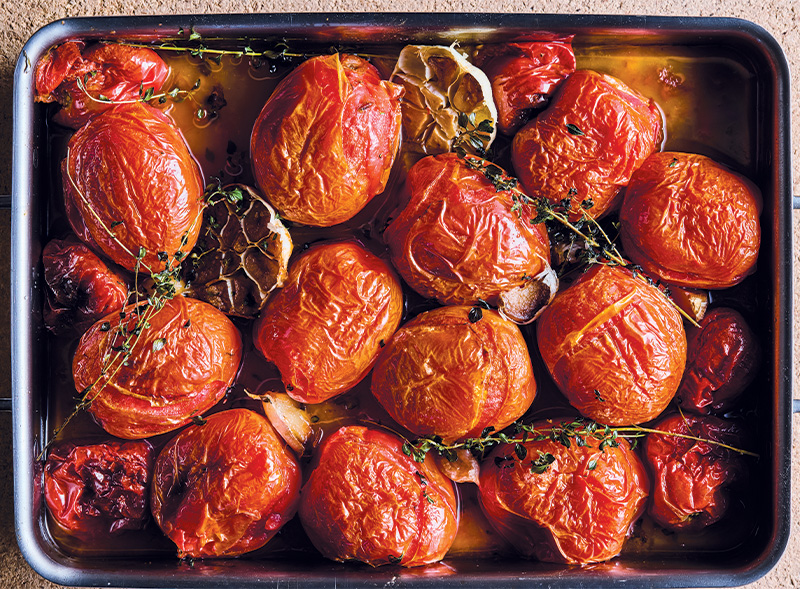
Executive Chef Sam Dickstein uses whole peeled plum tomatoes for the base of all red sauces at RPM Italian Chicago because of the simple ingredient list and incredible flavor. “We start out with (our brand of) tomatoes and slowly stew them with sweet Spanish onions, roasted garlic, salt, sugar and basil,” he says. “This sauce is 100% the backbone of this restaurant, and makes up our signature pomodoro sauce that is used in all of our red sauce dishes.” He leaves the sauce a little chunkier for chicken Parmesan, but blends it more smoothly to dress arancini, eggplant Parmesan, and spaghetti and meatballs.
Dickstein even uses this pomodoro sauce with roasted tomatoes and pickled goat horn peppers on pizzettes, rather than a traditional raw tomato sauce. “We do this to add more dimension and some spice to our pizzettes, and cooking the sauce allows the sugars to cook down and provide a nice balance to the spicy peppers.”
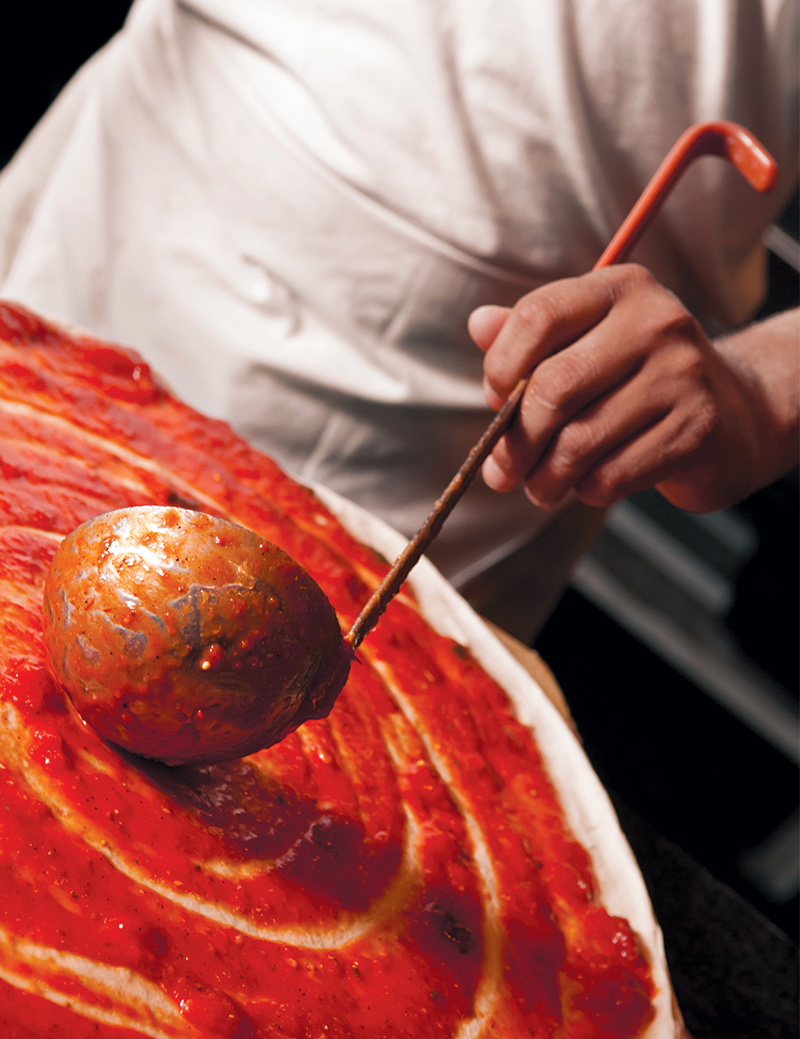
Chef Glenn Rolnick of the iconic Carmine's restaurant in New York prefers a canned purée. “The purée helps with the finished texture, color and flavor after the cooking process, as well as the density we are looking for,” he says.
And Executive Chef Nick Dugan of Charleston's Sorelle recommends cherry tomatoes. “They cook really well and more quickly develop a rich umami blast that San Marzano tomatoes are known for,” he says.
Taking it up a notch
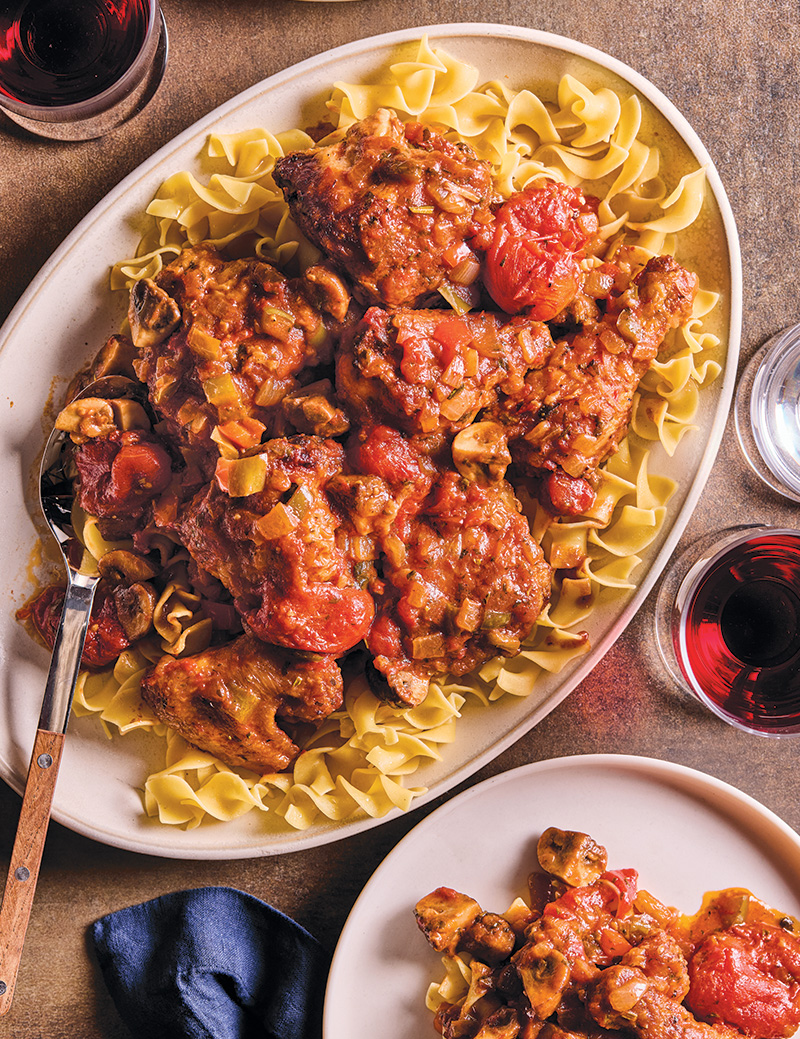
Rolnick often adds additional ingredients like porcini or cremini mushrooms, broccoli rabe or rapini, Italian or turkey sausage, cannellini beans and hot Italian peppers to his base tomato sauce, depending on the dish. But he says a great tomato sauce is essential to many bestsellers like penne alla boscaiola, seafood fra diavolo, veal parmigiana and chicken cacciatore. Carmine's sells its marinara, vodka, tomato basil and fra diavolo sauces online and in thousands of supermarkets across the Tri-State and mid-Atlantic areas.
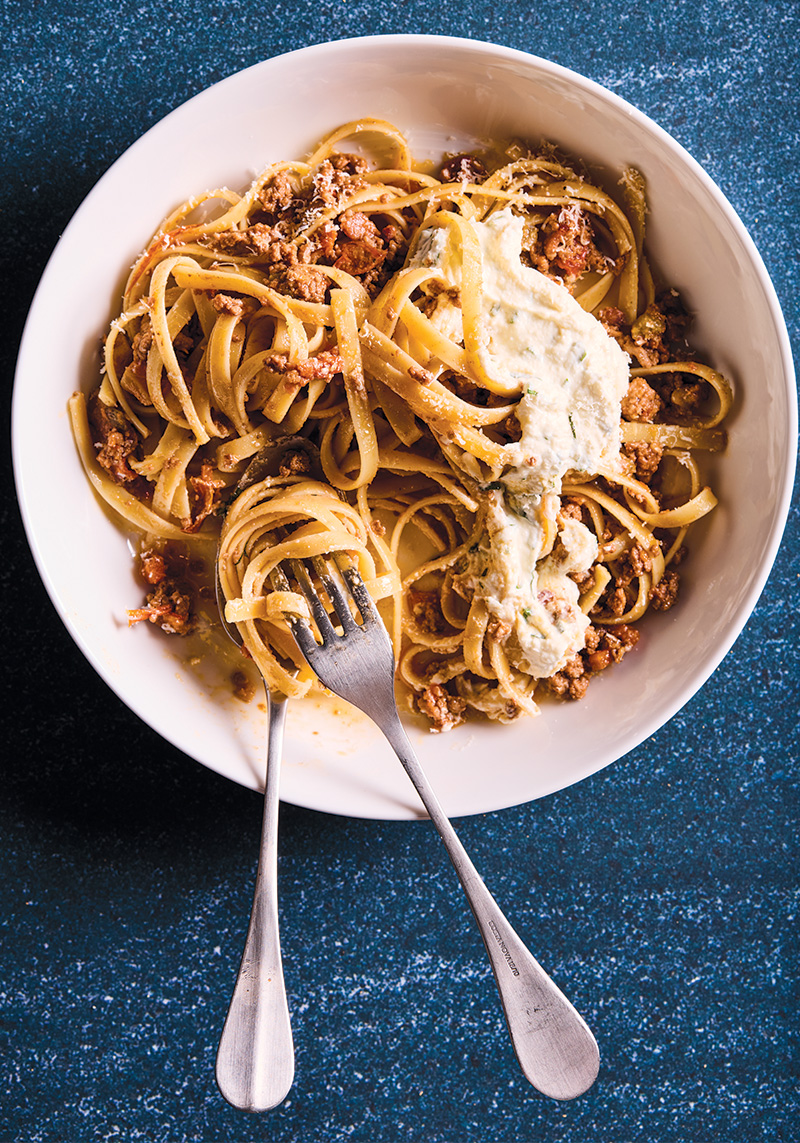
At Nunzio in Collingswood, New Jersey, Chef Michael DeLone adds a generous dollop of whipped ricotta atop his fettuccine Bolognese made with his own canned tomato sauce. “There’s nothing better than a silky, almost foamy ricotta dollop on top of anything,” he says. “In the fettuccine's case, it cuts the strong flavor of the meat sauce, and similar to egg whites helping chocolate become a mousse, the ricotta turns what would be a very heavy dish into something a little lighter and more sophisticated.”
Tomato sauce gets a Creole twist at Tana in New Orleans, inspired by Chef Michael Gulotta's Sicilian heritage and upbringing in Louisiana. “We caramelize peppers and garlic in olive oil, add a touch of tomato paste and raw sugar and caramelize that as well, then we throw in a smoked pork hock and the canned tomatoes with some fresh basil and let simmer,” he says. “We also sneak in a spoonful of miso to add depth.” He serves this red gravy with braised meatballs and sourdough focaccia, as well as in a radiatore pasta with warm stracciatella and Calabrian chili crisp.
For his pesto Trapanese, which is served with red snapper, Gulotta uses oven-dried tomatoes, saffron and citrus-marinated tomatoes. He contrasts the tomato-based pesto, which is spooned over the top of the snapper, with a bright pop of basil aioli under the filet.
“These tomatoes are one of our secret weapons and instantly transport me to Liguria every time I taste them,” he says.
Chef Tips on Choosing Canned Tomatoes
Chefs differ on their favorite canned tomatoes, but they agree on the basics for choosing what works best for them. Consider:
Less is more
The fewer the ingredients, the better. You might save time on seasoned products, but better control of the flavor will result by adding your own herbs and seasonings.
Get the most flavor
Draining whole, diced or chopped canned tomatoes of their juices will aid in caramelizing and concentrating flavors. Add the juices after sautéing with mirepoix.
Consider use
Whole peeled tomatoes are the closest to fresh, but some chefs prefer purée or chopped canned tomatoes, depending on the application.
Know your tomato
San Marzano tomatoes, which are grown in the United States and Italy, are both low-moisture plum tomatoes, but the ubiquitous Roma tomato has a higher acidity and is not as jammy or sweet as the San Marzano. The best choice depends on price point and application.