

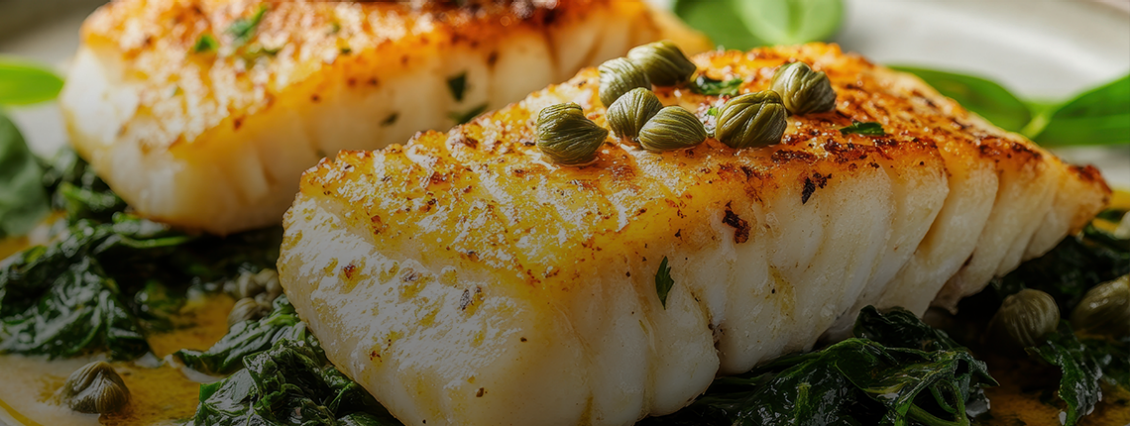
Celebrated for their mild flavor and tender texture, these white fish have long anchored classic dishes, from fish and chips to fish tacos. Cod and pollock are mainstays on menus nationwide, while haddock enjoys a special place in the culinary traditions of the Northeast United States. With their wide appeal, versatility and value, these species remain favorites among chefs and diners alike. Learn more here about these fish, their cooking profiles, breading styles, sizes and more to make the right choice for your needs and operation.
Species
While Cod, Haddock and Pollock are part of the same family, there are key differences across the species.

Cod
- Dense, mild-flavor white fish with large, tender flakes
- Most often menued in entrées like fish and chips, fish tacos and
center-of-the-plate fish
Atlantic Cod (Gadus morhua)
- Larger and paler than Pacific Cod
- Silvery, subcutaneous layer
- Raw meat is translucent, ranging from white to pinkish;
cooked meat is opaque white - Mild, clean flavor; large, tender flakes
Pacific Cod (Gadus macrocephalus)
- Moisture content is higher than Atlantic Cod, making it less firm
- Raw meat is opaque, creamy white
- Cooked meat is white, tender-firm, lean and flaky, with a mild taste
Haddock
- Type of fish from the cod family
- Mild, slightly sweet taste with delicate flakes that are finer than cod
- Lean meat has firm yet tender texture
- Raw meat is white; cooks up even whiter
- Flesh should be firm and resilient
- Commonly served as a center-of-the-plate entrée, often plated fried, with tartar sauce and coleslaw
Pollock
- Saltwater fish in the cod family which has a mild taste and slightly coarse texture
- Atlantic Pollock is darker and stronger in flavor than Wild Alaska Pollock (aka “walleye” pollock)
- Generally, it is more flavorful than Cod or Haddock, due to higher oil content
- Fillets are creamy tan in color, and turn white and firm with a nice flake when cooked
- Often served fried in fish sandwiches, fish and chips, fish tacos and burritos
Primary Cuts
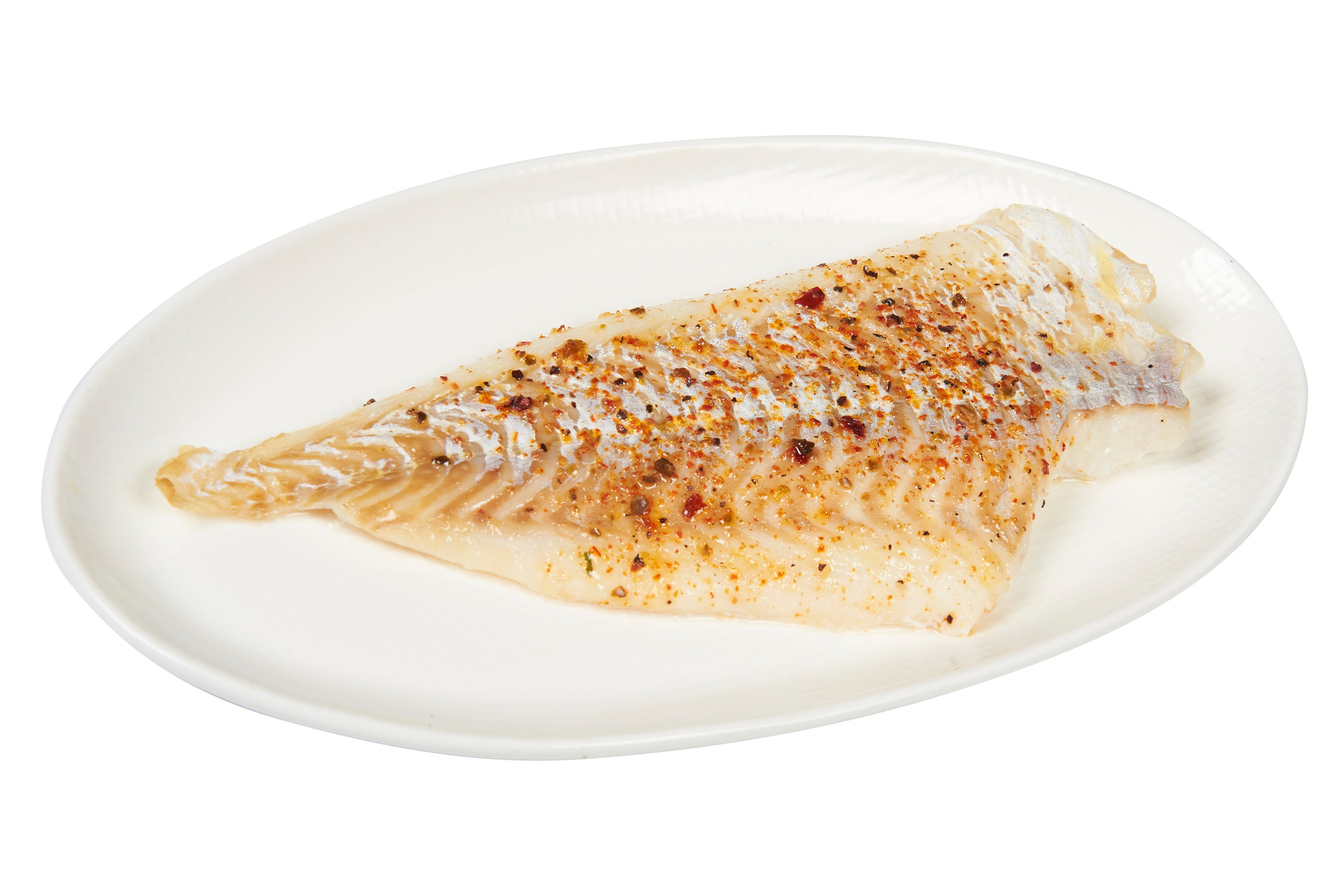
Fillet
- Side flesh removed with a lateral slice, from behind the head down to the tail. Pinbones are removed (or nearly so), and the skin can be removed or left on.
- Fillets absorb sauces well, but they can be easily overcooked. This cut is one of the most popular.
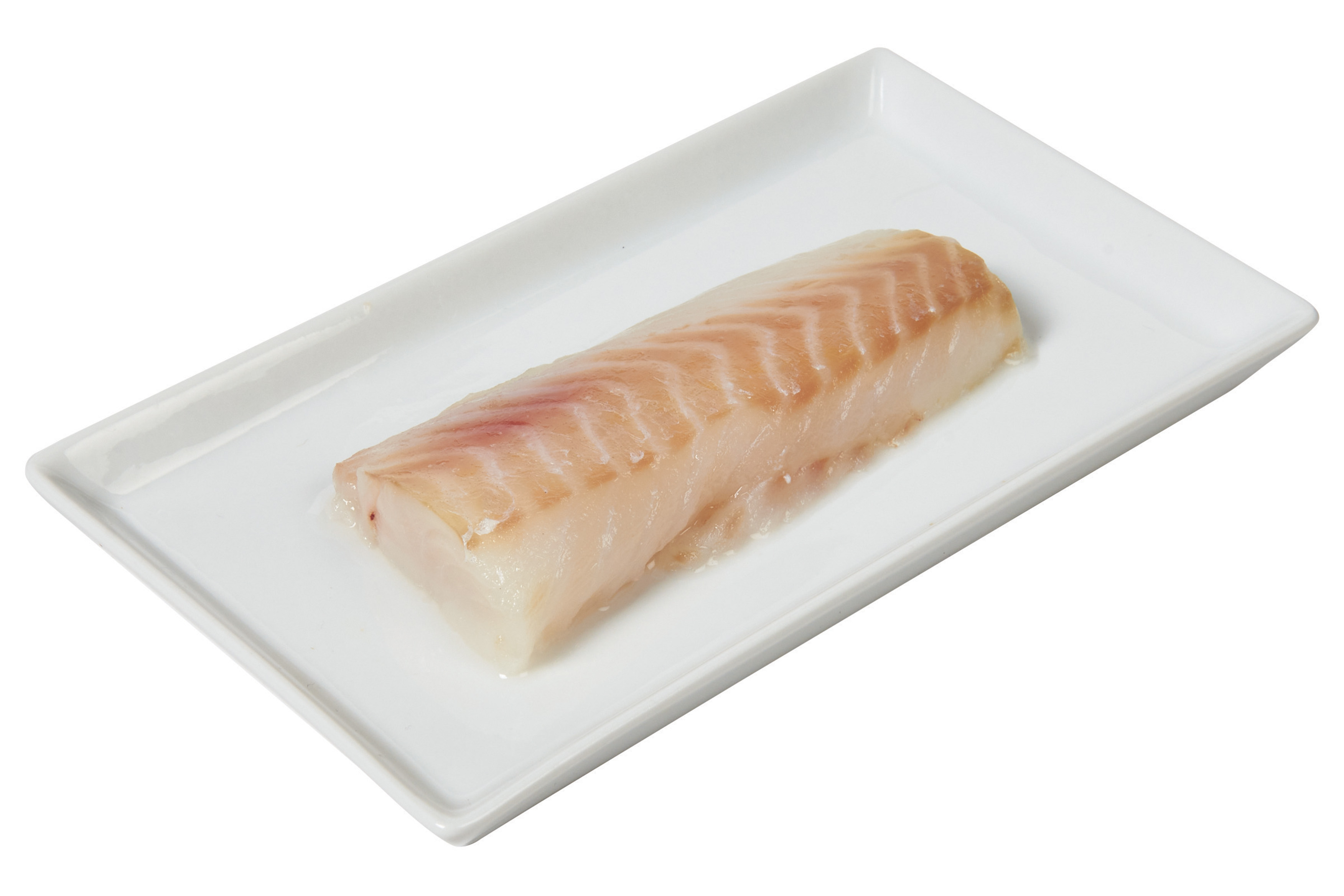
Loin
Cut from above the lateral line behind the head, through the backbone, to where the body meets the tail. Generally dense, uniform in thickness and used for premium applications.
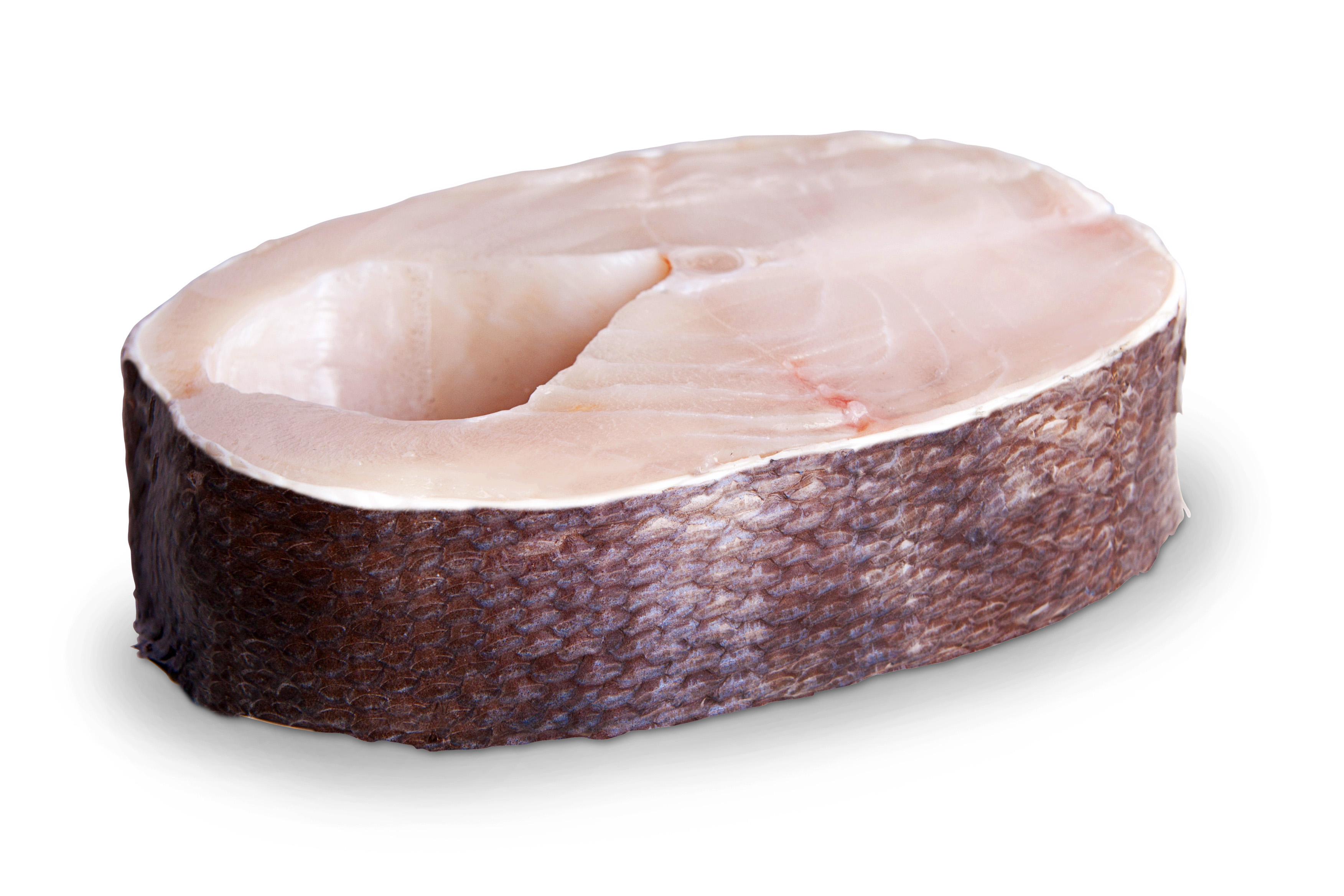
Steak
A fish steak is a thick, cross-section cut of fish, perpendicular to the spine, often including bones and skin. This contrasts with a fish fillet, which is cut parallel to the spine and is boneless. Fish steaks are typically made from larger fish like tuna, swordfish, salmon, and mahi-mahi, and can be cooked in various ways, including grilling, baking
or pan-frying.
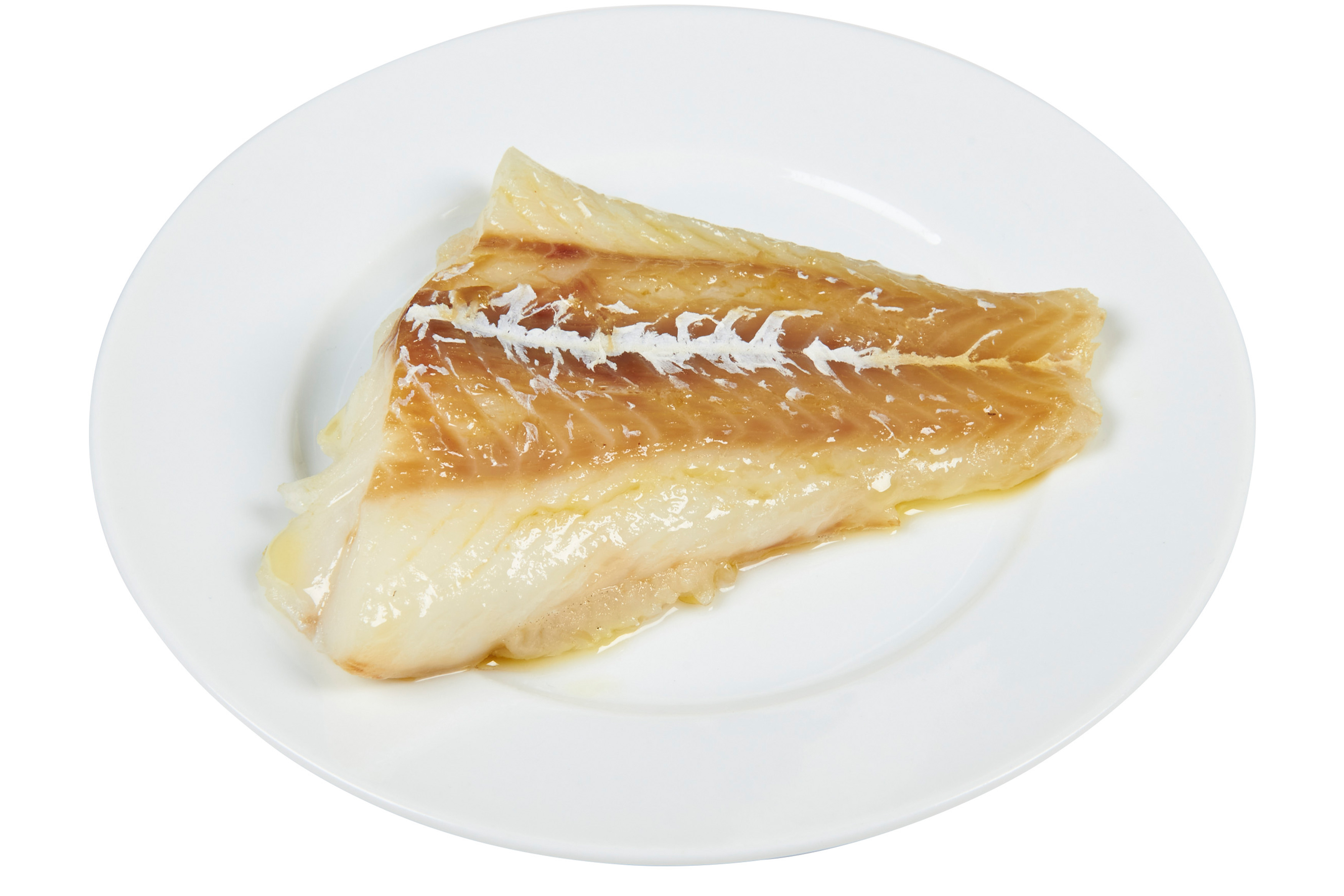
Tail
Fillet cut from the tail end of the fish, behind the main fillet or loin. It's known for being flavorful due to the active muscles in that area, and can be cooked in many ways.
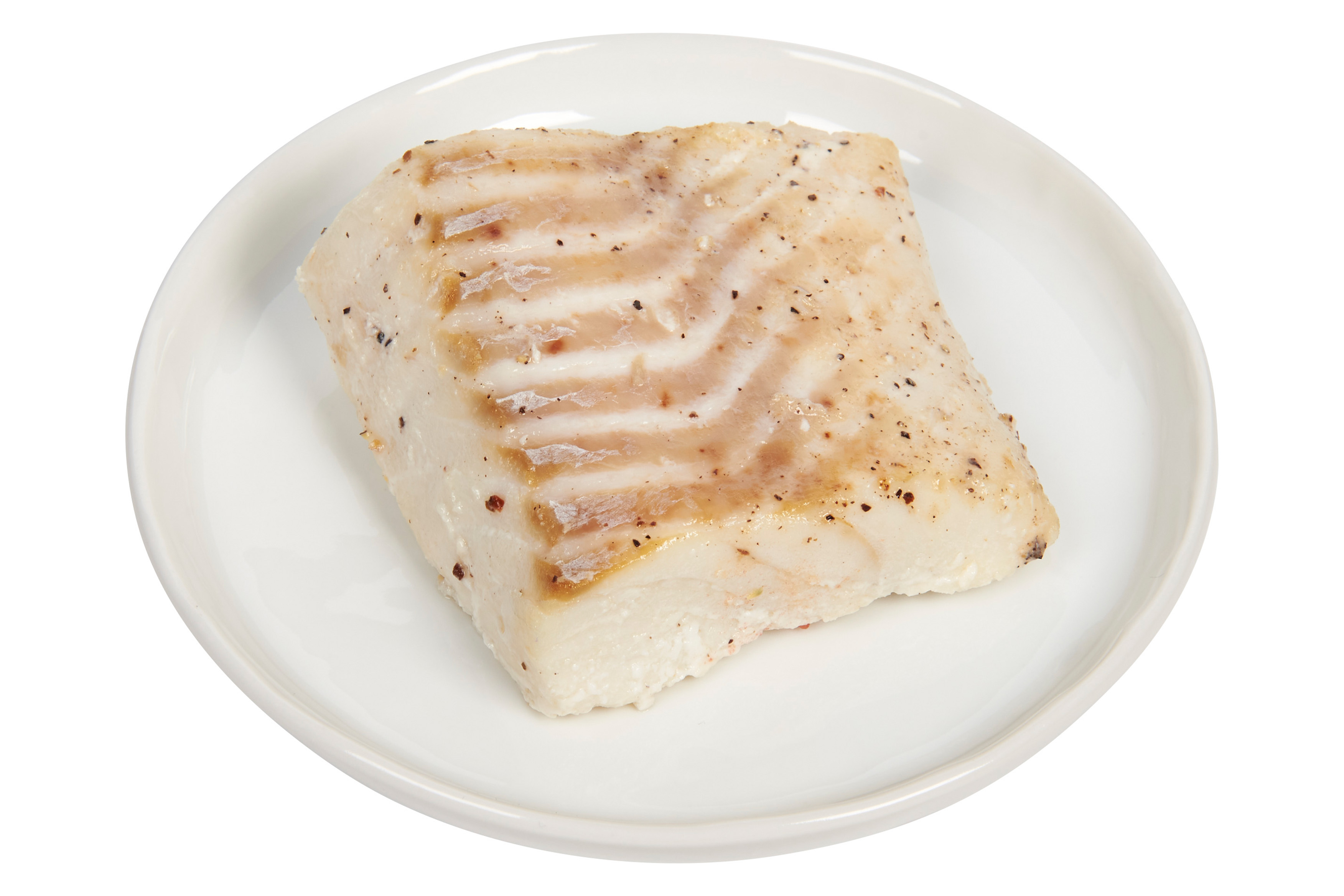
Portion
Pieces cut to consistent size from a fillet, usually portioned in ounces, can come with pinbones in or out.
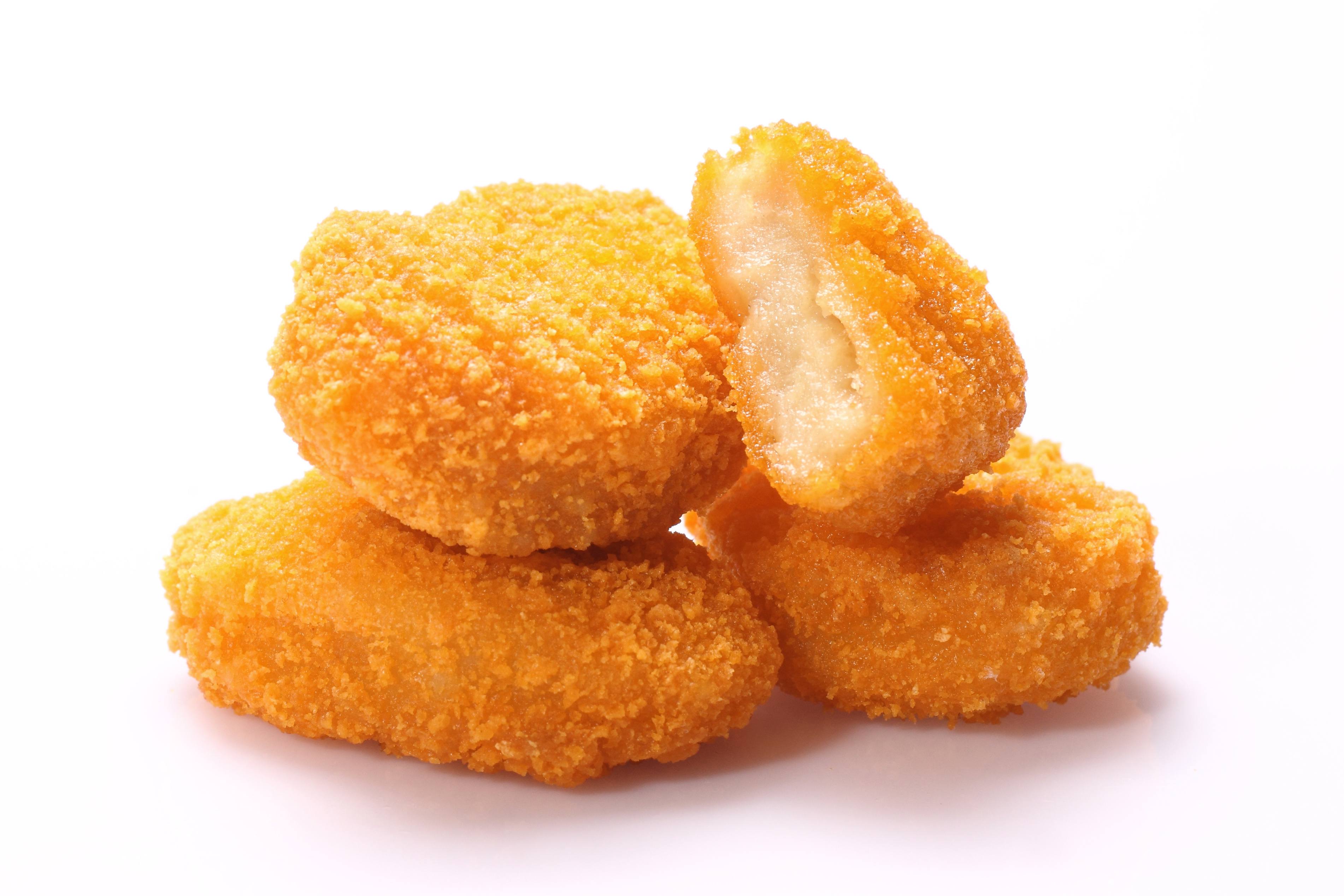
Nugget
Nuggets are uniformly cut from frozen blocks or fillets into bite-sized pieces and usually breaded.
Finishes
Unbreaded
Available in a range of formats – from pinbones to boneless, and skin-on to skinless – giving operators the flexibility to prepare in countless ways to suit any menu or style.
Breaded
These products can save time and labor. Pre-breaded or battered in a variety of styles and flavors, they are easy to prepare. Simply heat and serve.
Recipes
Storage & Handling

Always thaw under refrigeration – never in water

Remove from master case and inner liner

Separate fillets/portions as space permits

Best used the next day