Italian Cheeses: From Timeless Classics to Modern Innovations
Explore how chefs are using Italian cheeses to elevate their menus
Depending on the source, Italy allegedly produces between 400 and 2,500 types of traditional cheeses—and that’s not counting types produced in the U.S. The exact number is less important than the general idea: A tremendous variety of cheese styles gives chefs an abundance of culinary riches with which to innovate and explore.
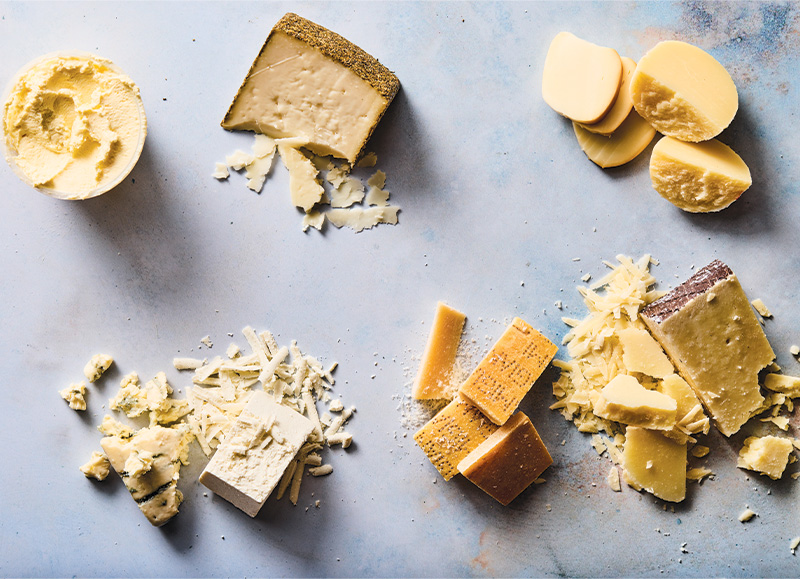
From rich, nutty Asiago to a lighter Valtellina Casera, to soft and pungent gorgonzola and the iconic Parmigiano-Reggiano, cheese can have a home in every daypart and every section of the menu. In fact, 56% of operators say an item sells better when they add cheese, according to food research firm Datassential.
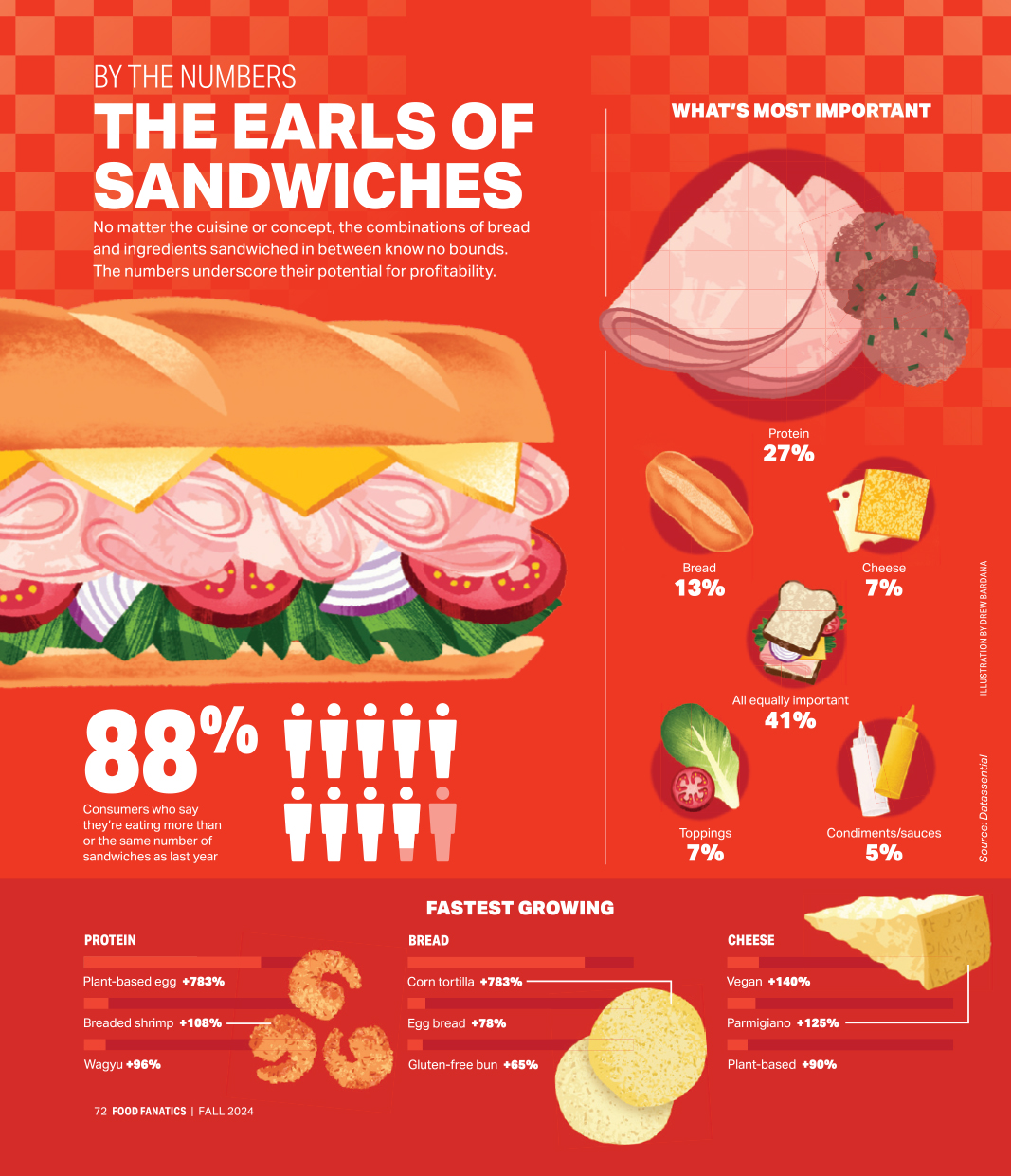
The firm data shows Parmesan as the most popular, followed by cheddar and then mozzarella, but the fastest growing include Asiago, Stracchino and burrata.
Chefs, however, are partial to brands they can count on for flavor and quality, such as Roseli's premium mozzarella and Grande Cheese Company's stracchiatella and burrata. They're also stepping up their game with cheeses served on their own or in inventive blends for flavor and better food costs.
Chefs know today’s diners are more knowledgeable and sophisticated in their selections, which leads them to step up their game with cheeses served on their own, or in inventive blends.
Ricotta: One cheese,
many uses
“The mother of cheeses for me is ricotta cheese,” says Michael Taus, executive chef of theWit Chicago, at a Hilton hotel that includes a tavern, rooftop restaurant and bar, as well as banquets and in-room dining. “Making lasagna, to me, is an art. And having the perfect ricotta is the start.”
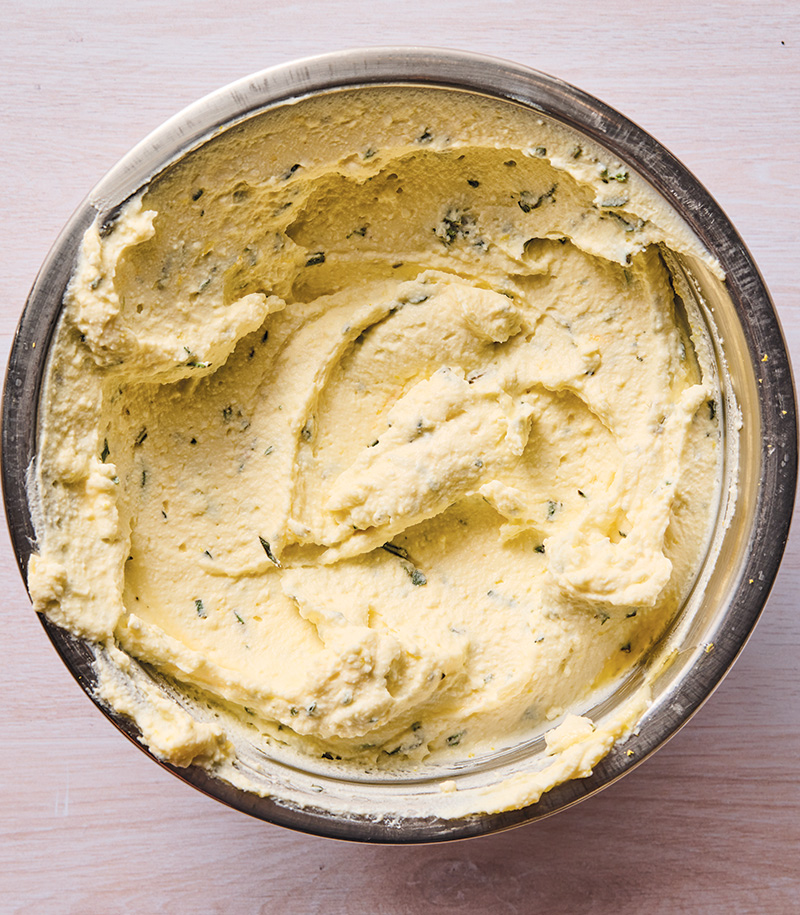
Taus uses a ricotta that’s packaged with mesh inside the container to drain the water, leaving a creamy cheese that his kitchen further strains in a chinois. The chefs then whip the ricotta with herbs, lemon zest, honey and a bit of Parmesan for acidity and bite. “It’s a staple in some of the things we do,” he says, from the pizzas and bruschetta to the avocado toast and rigatoni dish.
Plus, using one product so many ways, especially a fresh cheese that is relatively low-cost, helps with margins, Taus says.
Amore for Southern
Italian Cheeses
Just as Calabrian chili peppers seem to be everywhere, so, too, do the cheeses of Southern Italy, says Executive Chef Steve Chiappetti of Chicago’s Hotel EMC2, home to Italian-inspired restaurant The Albert.
“And when you’re talking about Southern cheeses, you’re talking about a little bit more aged cheese, a little bit saltier,” Chiappetti says. “More like the provolone or scamorza. Alternative goat cheese is coming back in fashion.”
Chiappetti prefers working with an aged goat cheese that has a crumbly texture and sharper flavor than a just-made variety. He features the cheese in a beet salad, on pizza and as a ravioli filling, and it has even made its way into desserts.
Chiappetti has found several cheesemakers in the U.S. who are doing fine work, avoiding a supply chain he says is not “sustainable.”
“When I ran Spiaggia, it was always like, ‘If we’re doing Italian, it must be authentic. It’s got to be flown in from Italy,’” he says. “When it comes to cheeses, it’s not a sustainable way of managing the menu or the kitchen. We’re not in Italy.”
The fuel costs and environmental impact of shipping cheeses from Italy simply isn’t worth it when there are excellent producers in Wisconsin and other states, Chiappetti says. Plus, it’s a choice that helps with food costs.
Going with whole-cheese cooking
Move over, nose-to-tail cooking. It’s time to make room for rind-to-center cheese use, says Andrea Marchesin, the Italian-born executive chef of Miami’s Toscana Divino.
“What we like to do right now is transform the texture of the cheese and use the entire cheese,” she says. Marchesin reworked the classic dish cacio e pepe with risotto under that philosophy, simmering a whole wheel of Parmesan or Grana Padano in broth for up to 14 hours. The cheese broth is left to decant like wine in the walk-in overnight, then removing, washing and whipping the risen fat with a bit of imported Parmesan butter. The remaining cheese broth is used in making the risotto.
Be savvy about cheese blends
Before combining Italian cheeses in dishes, chefs say it’s important to have a deep understanding of the flavor profile and behavior of each cheese on its own.
Marchesin, for example, likes to mix two types of pecorino, a hard, salty, sheep’s milk cheese. She’ll use the Romano variety, which is salty, cut with some milder pecorino Toscano and a bit of Grana Padano. “The three of them, as this combination, they create a nice texture,” she says.
For pizzas, Chiappetti creates layers of flavor, starting with provolone as a base and adding mild gorgonzola dolce, ricotta salata or goat cheese. “It’s all dryer cheeses, with a creamier cheese base,” he says. “That cheese, when you bake it, it doesn’t melt. It stays intact. So, when you eat it, you’re getting these sharp bites of cheese goodness.”
Chefs can also look to blends to help with food costs, Chiappetti says. Combining expensive Parmesan with comparatively less expensive pecorino creates a new flavor while also saving money. “It’s really about cost efficiency,” he says. “There’s other options that can be blended in to cut costs and still give you that edge that you’re looking for.”
Just be careful, he says, if buying pre-shredded or grated cheese blends, that you know your vendor well and are aware of exactly what goes into their cheese mixtures.
Popular Italian Cheeses
AGED GOAT CHEESE
The aged version offers a sharper flavor than the just-made variety. Chefs are using it as a contrasting flavor, adding it to pizza, to pasta and as a filling for stuffed pasta.
AGED PROVOLONE
With a more complex flavor and sharper taste than other semi-hard cheeses, aged provolone is often relied on to provide more personality to a dish.
DOLCE GORGONZOLA
Sweeter and milder than ubiquitous blue cheese, dolce gorgonzola, which hails from Lombardy and Piedmont, is having a moment on pasta and pizza.
PECORINO
The generic term for a hard, salty cheese made with sheep’s milk, it varies in flavor depending on its origin, from Romano and Toscano to Sardo and Siciliano.
RICOTTA
A kitchen workhorse, this cheese adds creaminess to pizza and pasta, but its mild flavor is also handy for conveying flavor via herbs, spices, zest or grated cheeses.
RICOTTA SALATA
Made from sheep’s milk whey, this cheese is pressed, aged and salted, resulting in a crumbly texture ideal as a salty complement to pizza, pasta and salads.
SCAMORZA
A spun/stretched cheese known as pasta filata, scamorza, which hails from Southern Italy, has a semi-soft texture that’s like a firm mozzarella. For a richer texture and earthier flavor profile, look for scamorza made with sheep’s and cow’s milk.