

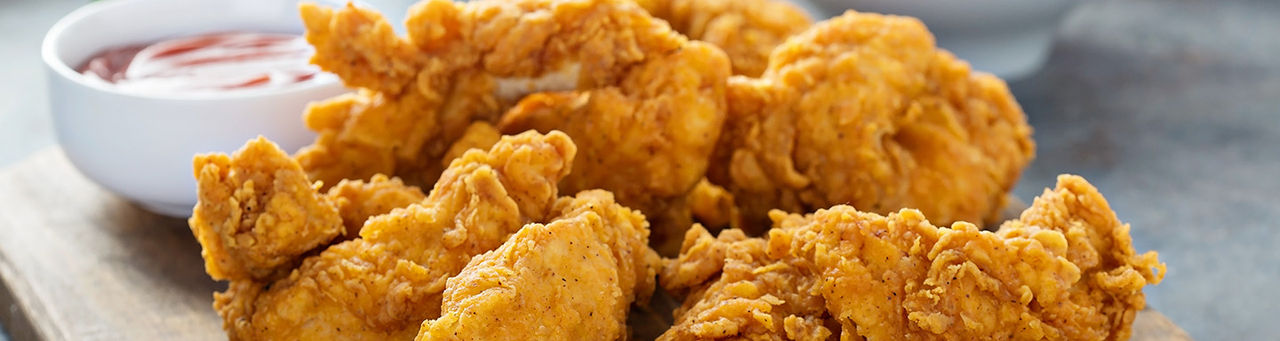
Find out how featuring breaded chicken can add greater value to your menu and boost your bottom line. Chicken tenders are not only versatile and time-saving – they also appeal to a broad customer base, driving repeat business and increasing customer satisfaction. By offering a variety of tender types, cooking profiles, breading styles and sizes, you can tailor your menu to meet diverse preferences and operational needs, enhancing both efficiency and profitability. Explore your options to find the combination that maximizes your menu’s appeal and positions your operation for long-term success.
Meat Forms
Depending on the needs of your operation, choosing the right meat form can save your staff prep time and help reduce waste, saving you money. Below are common chicken tender meat forms available to best fit your budget and menu.
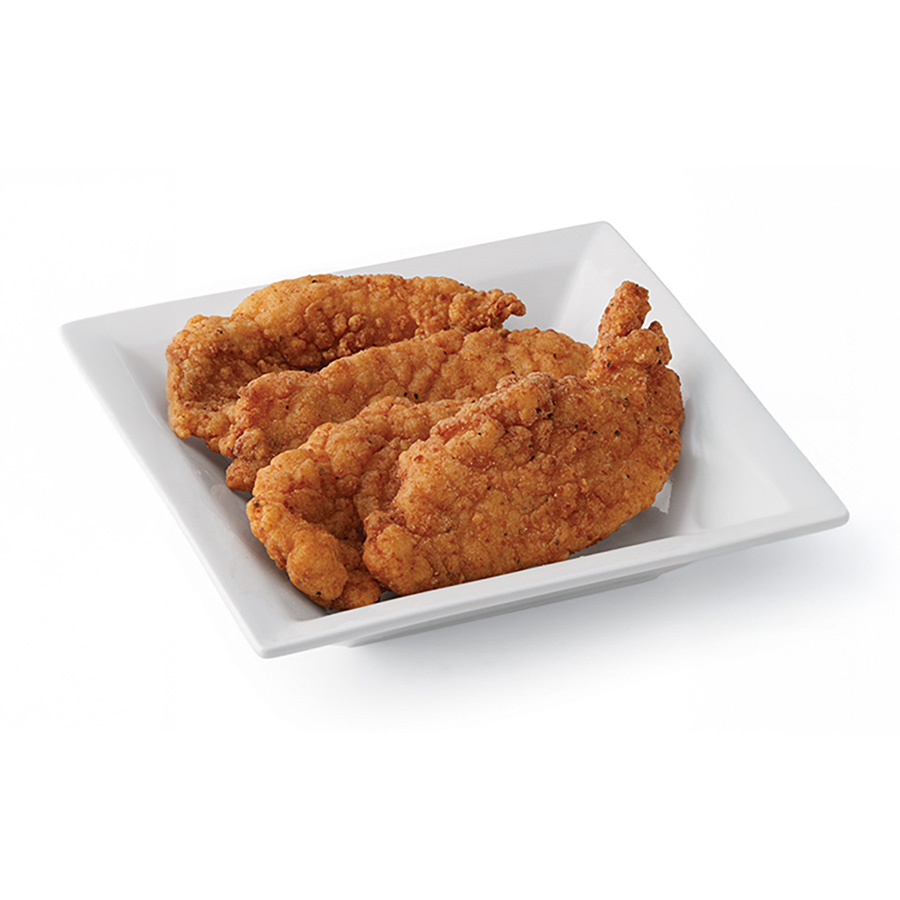
Tenderloin
- Premium, whole muscle cuts from the tenderloin of the chicken breast
- The tenderloin is located next to the breastbone under a larger breast muscle and is typically the most flavorful part of chicken breast. This small breast muscle has a characteristic teardrop shape
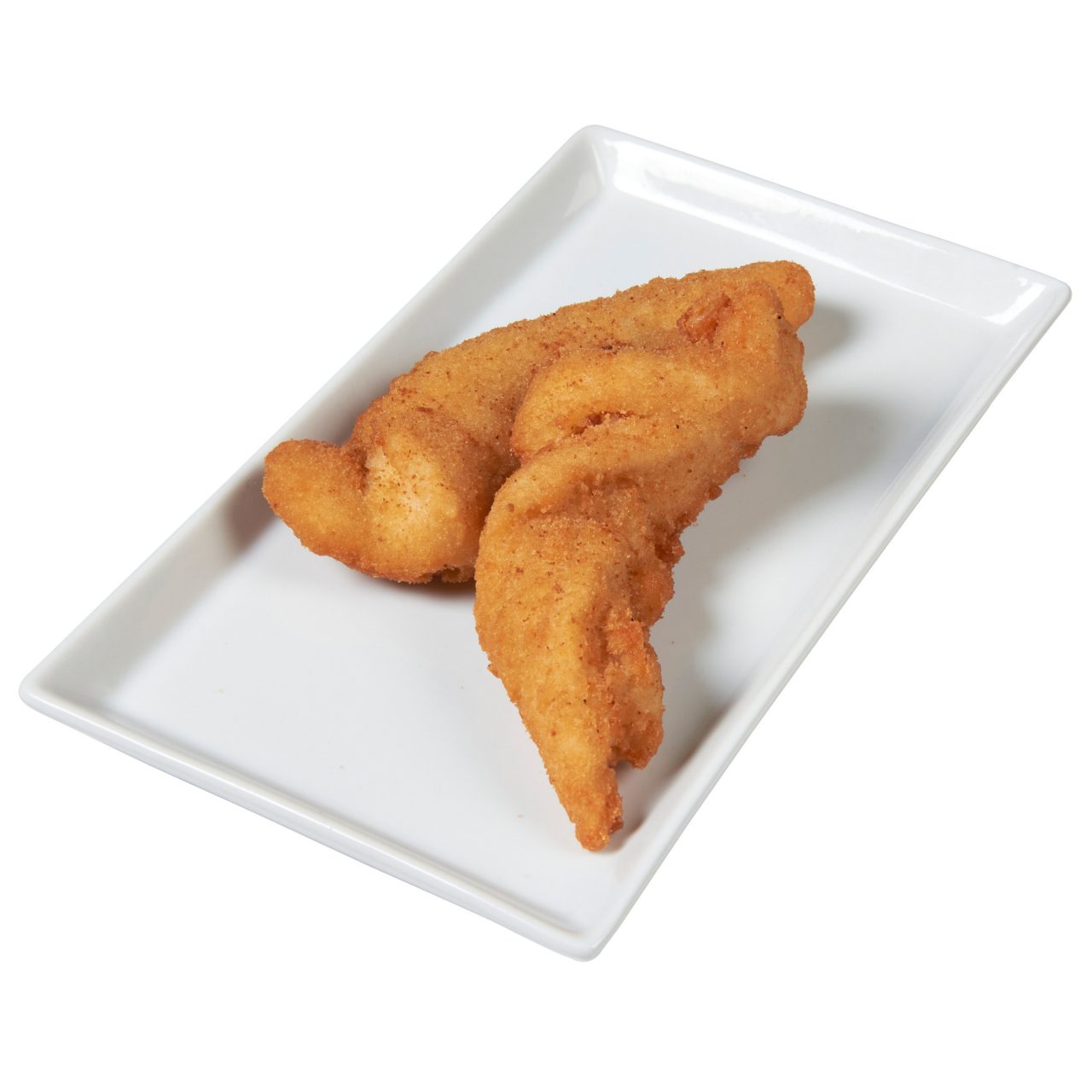
Tenders / Breast Strips
- Value-priced whole muscle cut coming directly from boneless, skinless chicken breast
- Size and shape of strips can vary, and are not usually in a teardrop shape
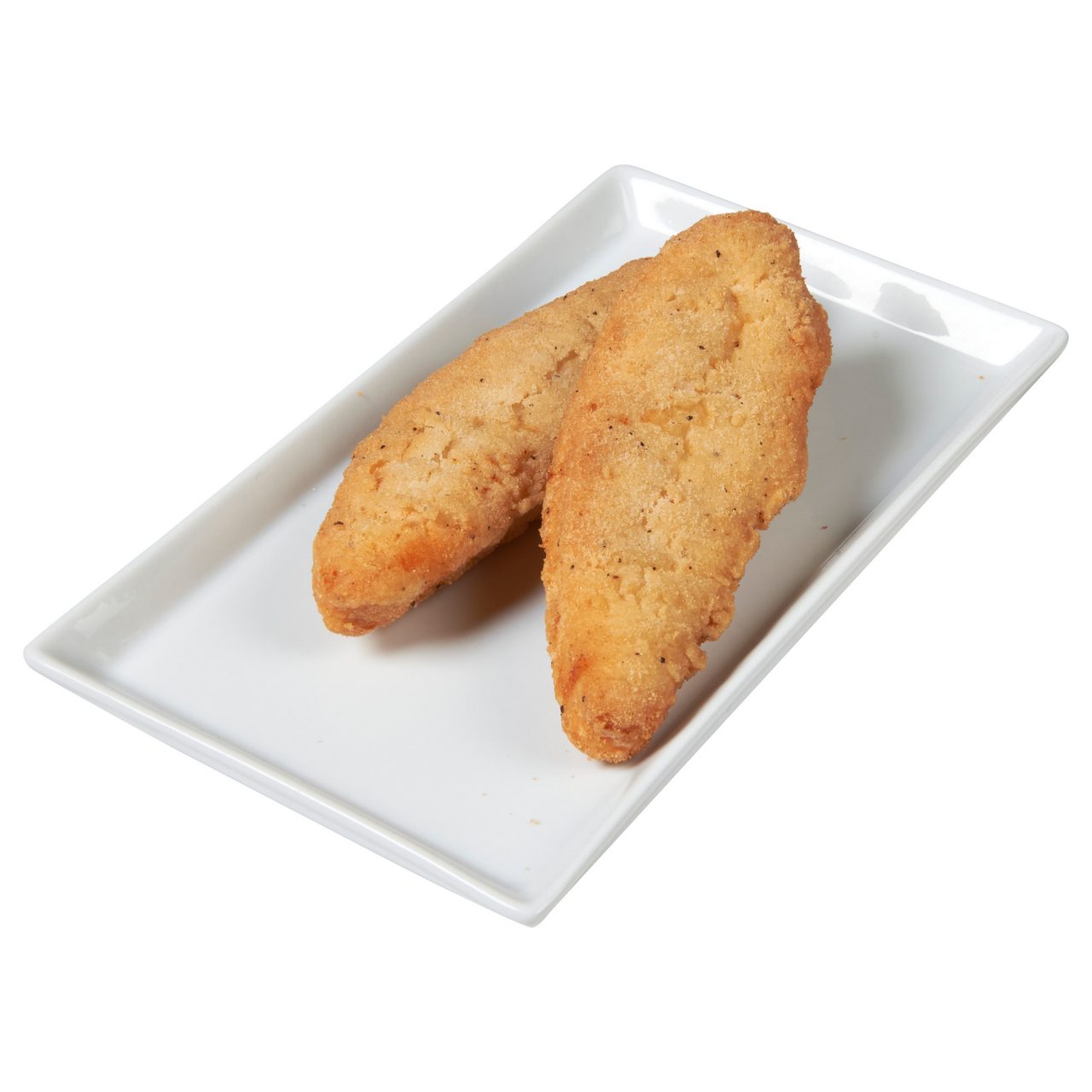
Formed Tenders
- Finely chopped pieces of breast meat
- Formed together into a tenderloin shape
- Size and shape may vary
Cooking Profiles
Depending on the needs of your operation, choosing the right product can save your staff prep time and help reduce waste, saving you money. Consider the following cooking profiles available to best fit your budget and menu.
Fully Cooked
- These products save time and labor by simply frying or baking in an oven
- Heat and serve per instructions on packaging
Par-Fried
- Partially cooked, items have been flash-fried to set the breading
Tender Sizes
*Approximate ounce ranges.
Breading Styles
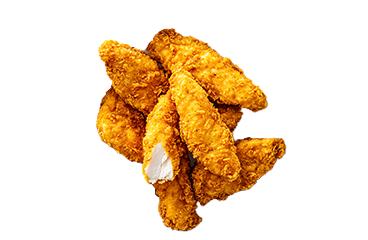
Classic
- Also known as “Flat breaded”
- Offers a consistent uniform breading appearance on both sides
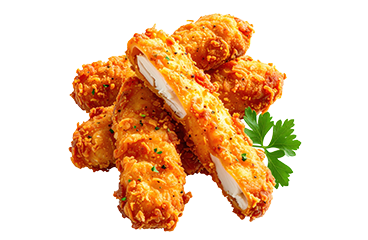
Homestyle
- Also known as “Barrel breaded”
- A hand-breaded appearance obtained by tumbling the chicken in breading mix
- Peaks and valleys provide a back-of-house look
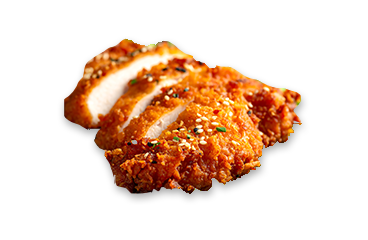
Seasoned Breaded
- A breading combining bold, flavor-packed coatings like Italian herb and Parmesan, and zesty dill blends
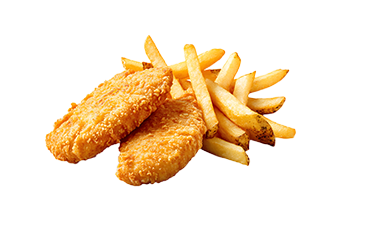
Battered
- Lightly coated with dry flour and batter to deliver a hearty crunch
- Tempura and beer are two common batter styles. Tempura is a Japanese style made with flour, egg and water for an airy, light and crispy texture. Beer batter is a coating made with flour and pale lager for a distinct flavor, light coating and crispy texture
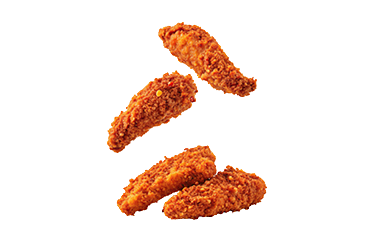
Panko
- Coating made with Japanese breadcrumbs for a crispy texture that may allow for a longer hold time
- A delicious, crispy texture ideal for dipping sauces
Breading Percentage
Breading percentage: breading to protein ratio. The USDA requires manufacturers to label product as a fritter, since it is visually difficult to distinguish the difference between a fritter and non-fritter.
Fritter
More than 30% of the total weight of the product is breading. Typically the higher the percentage of breading, the lower the cost of the product.
Non-Fritter
With less than 30% of the total weight of the product being breading, these products are typically more expensive, due to the higher ratio of meat in each bite.
Breading Flavor
Breading flavors help level up chicken tenders to help you create craveable dishes your diners will come back for again and again.
| BREADING FLAVOR: | Flavor Profile | Color | Breading | Texture |
|---|---|---|---|---|
| Golden | Neutral, Mild Chicken | Blond | Flour and Cracker Meal | Light, Soft Crunch |
| Savory | Savory Blend or Garlic and Onion | Golden Brown | Flour and Cracker Meal | Light, Soft Crunch |
| Hot & Spicy | Red Pepper Heat | Golden Brown with a Red Hue | Flour | Light, Soft Crunch |
| Buffalo | Hot Sauce and Vinegar | Reddish Brown | Flour | Firm Crunch |

Storage and Handling
Due to the various cooking profiles, please reference COP Cooler Map for the best ways to safely store and handle chicken tenders.