

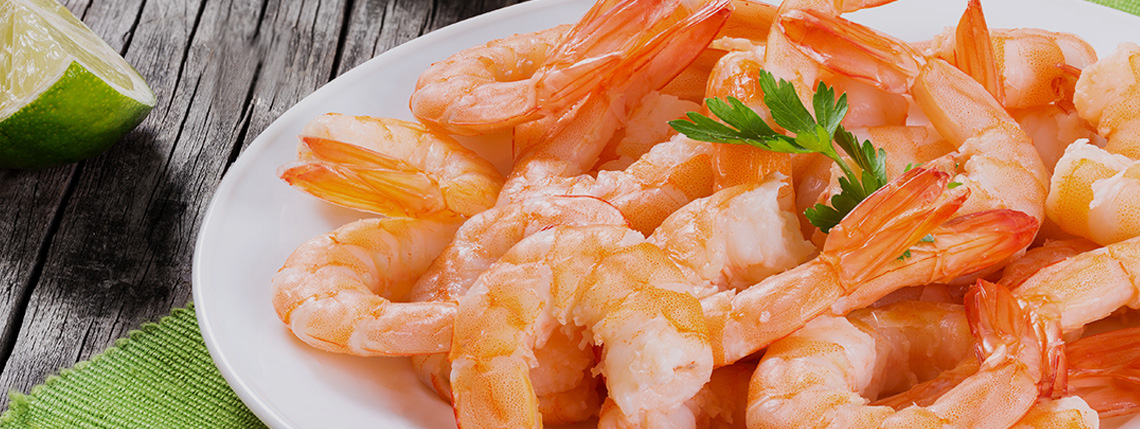
Shrimp is one of those universally-loved proteins that appears on almost every menu type in every region. In fact, it is on nearly 63% of U.S. menus overall, with higher penetration in both casual and fine dining.*
More importantly; 75% of consumers either love or like it!* Shrimp also continues to be a standout as a cost-effective, center-of-the-plate option, helping operators drive profitability.
Resources and tools like our Shrimp Species Guide and COP Cooler Map are available to you 24/7 right on these pages, to assist with purchasing the best products for your operation.
*Datassential, 2024
How Shrimp Is Raised
Shrimp comes in two primary varieties: wild-caught and farm-raised. While both offer delectable flavors and versatile culinary options, wild-caught shrimp are harvested from their natural habitats, embodying a taste influenced by their diverse ecosystems. Farm-raised shrimp are cultivated in controlled aquaculture settings, providing a more predictable size, flavor and texture.
Wild-Caught
- Also known as “ocean-run” or “wild shrimp”
- Shrimp that have been harvested from their natural habitats in oceans, seas or other bodies of water
- Typically a more pronounced, natural flavor and firm texture
- Tend to have a lower moisture content, thus a relatively lower shrink – meaning they lose less moisture in the thawing and cooking process
- The supply quantity can vary throughout the year, which can lead to price fluctuations and often higher pricing
- Some responsibly sourced wild-caught shrimp products are certified by the Marine Stewardship Council (MSC), a nonprofit that works to safeguard wild-caught seafood species around the world. Learn more about the MSC by visiting www.msc.org

Farm-Raised
- Also known as "aquaculture shrimp" or "farmed shrimp”
- Shrimp that are raised in controlled aquatic environments such as ponds, tanks or raceways that are carefully managed to provide optimal conditions for growth
- Typically offers advantages such as consistent quality and year-round availability which leads to a more economically priced option
- Some responsibly sourced farm-raised shrimp products are certified by the Best Aquaculture Practices (BAP), a nonprofit that works to ensure aquaculture is done responsibly around the world. Learn more about BAP by visiting www.bapcertification.org
Species
Shrimp come in a diverse array of species, each with its own unique characteristics and flavors. Whether sautéed, grilled or served chilled in a cocktail, the diverse range of shrimp species ensures there's a delectable option to suit every palate and recipe.
Brown shrimp
- Sweet, succulent flavor that is often described as nutty or briny
- Firm and slightly chewy texture makes it suitable for a variety of cooking methods
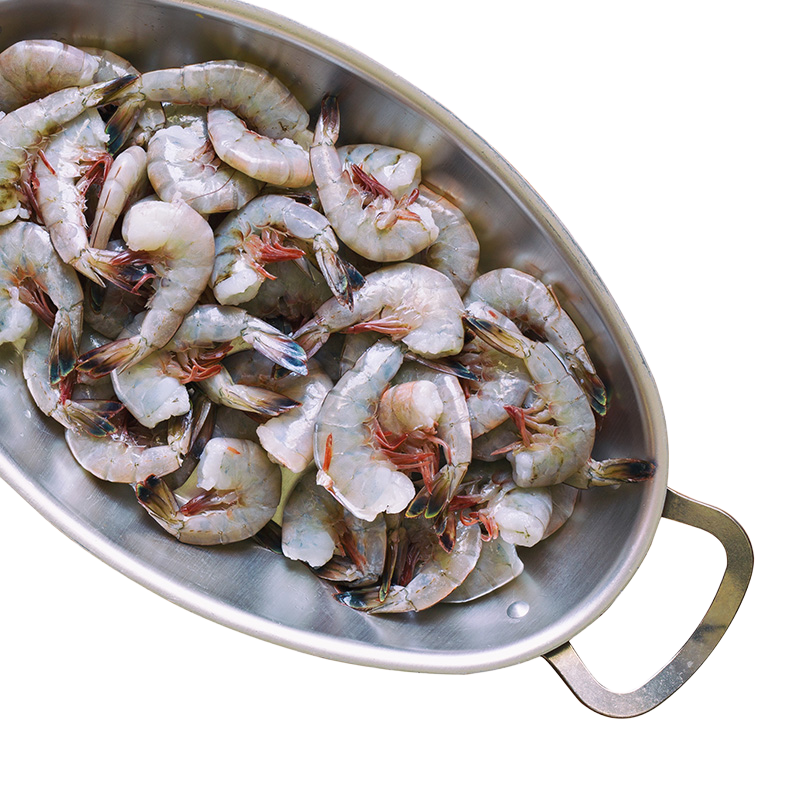
White shrimp
- Also known as Vannamei
- One of the most commonly farmed and consumed species worldwide
- The meat is tender and delicate, with a subtly sweet flavor, making them suitable for a wide range of cooking methods
- Prized for their neutral, classic shrimp taste, which allows them to absorb the flavors of marinades, sauces and seasonings
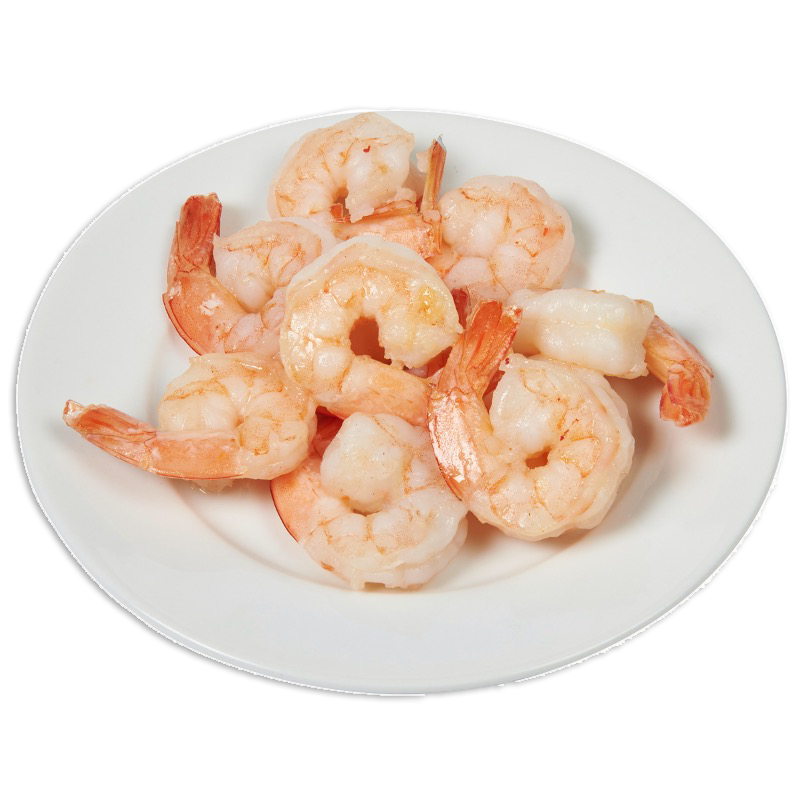
Pink shrimp
- Very sweet flavor profile
- Typically sold raw, headless and shell-on, and due to fragile digestive organs, they are known to deteriorate quickly. Preservatives are commonly used to slow this process
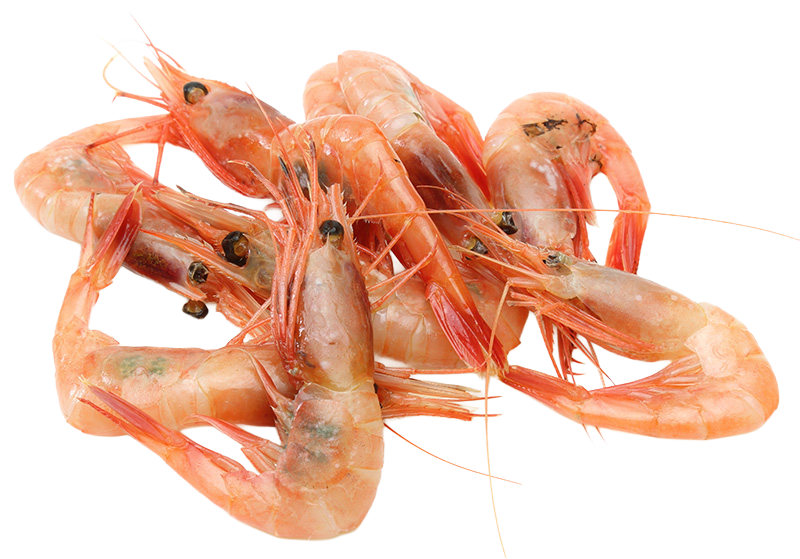
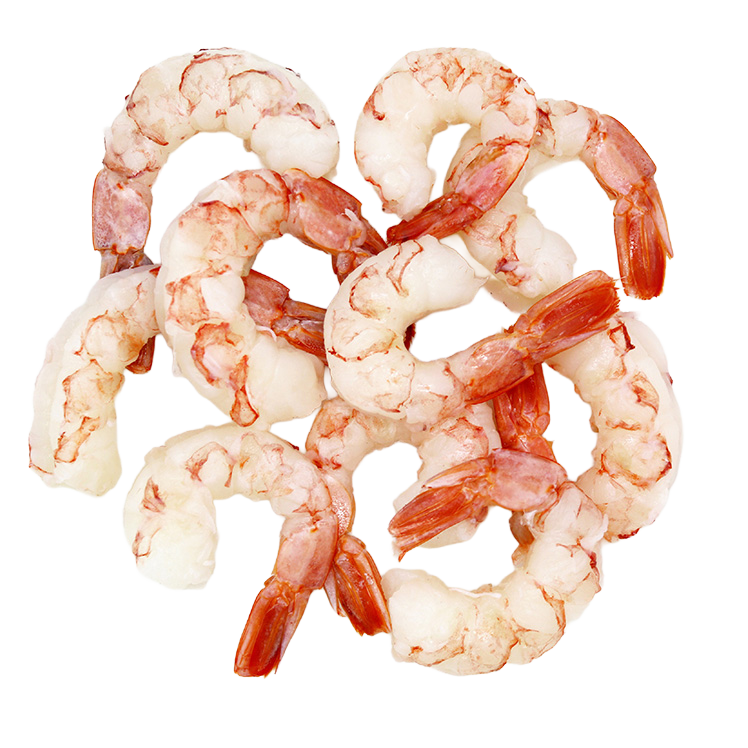
Argentine Red shrimp
- Have a distinct, eye-catching red color when raw, and lobster-like flavor
- These shrimp are delicate and require care during processing to ensure quality. They deteriorate quickly and require preservatives to slow that process
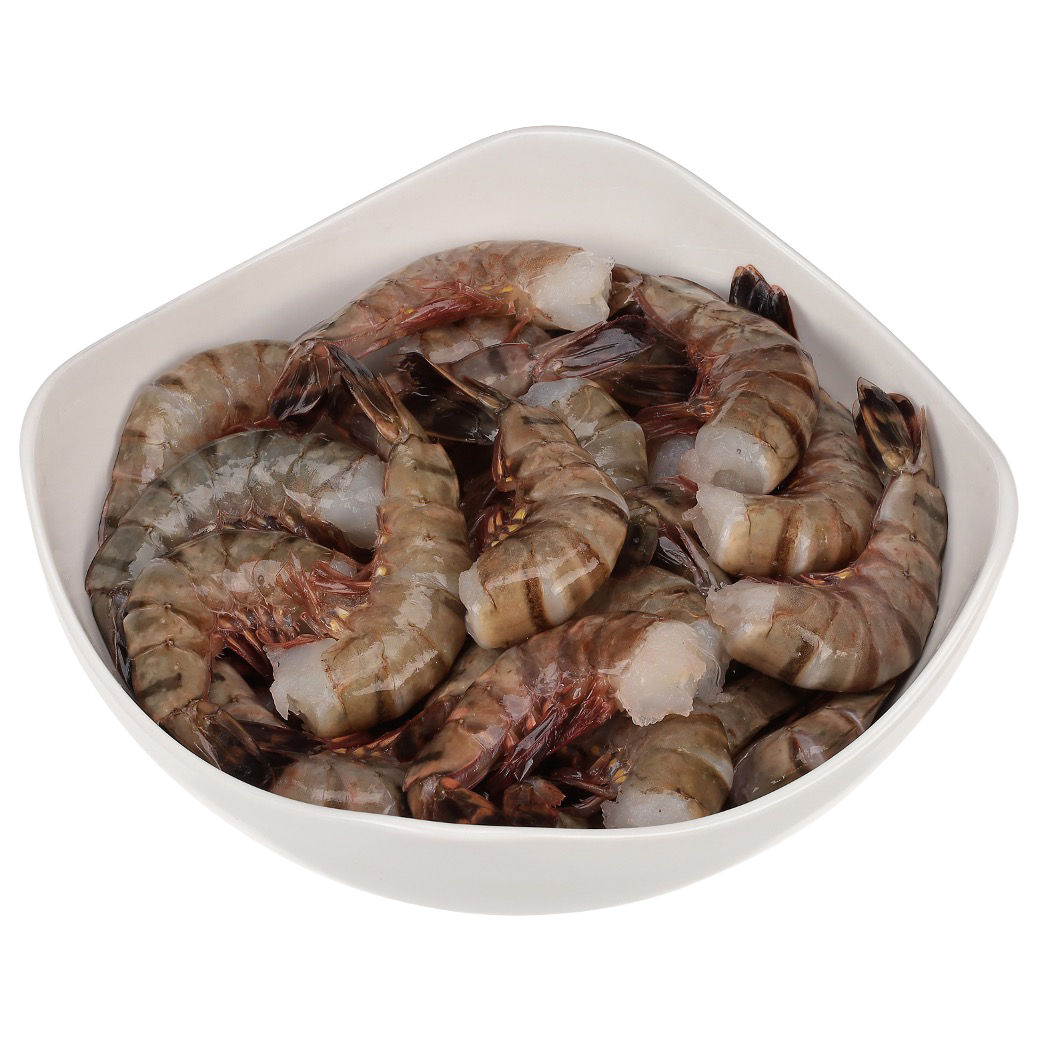
Black Tiger shrimp
- Mild, sweet flavor and firm, meaty texture
- Known for their distinctive appearance of black stripes on the shell, and impressive size
- Tends to be firmer than that of other shrimp species, making them suitable for grilling, broiling and other high-heat cooking methods
Regions of Origin
Regions of origin can be known for their distinct species, but environmental conditions such as salinity and water temperature can affect their flavor and texture as well.
Domestic
- Wild-caught shrimp can be found in the Gulf of Mexico and on the Eastern Seaboard
- The majority of domestic product is brown shrimp, but white and pink are also caught
Imported
- Mexican Shrimp: primary species are white and brown, sold headless and shell-on. White shrimp from Mexico tend to lack the iodine taste found in other white shrimp options
- Argentinian Shrimp: known for its red color; typically wild-caught and available year-round
- Ecuadorian Shrimp: white shrimp is the most common species farmed. Ecuadorian suppliers often are BAP certified
- Asian (Indian, Indonesian, Thai and Vietnamese) Shrimp provide the bulk of the world’s farmed white shrimp supply. While Thailand is the world’s largest producer of farmed shrimp, India is the no. 1 exporter of white shrimp to the U.S., according to the Monterey Bay Aquarium Seafood Watch. They account for 40% of all U.S. imported farmed shrimp. Asian suppliers often are BAP certified
Cooking Profiles
Depending on the needs of your operation, choosing the right product can save your staff prep time and help reduce waste, saving you money. Consider the following cooking profiles available to best fit your budget and menu.
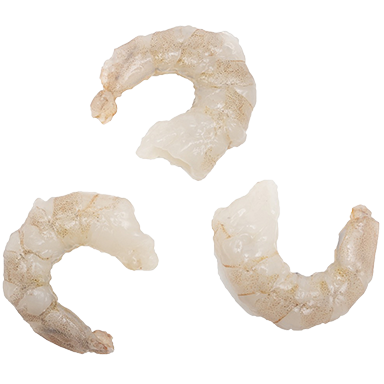
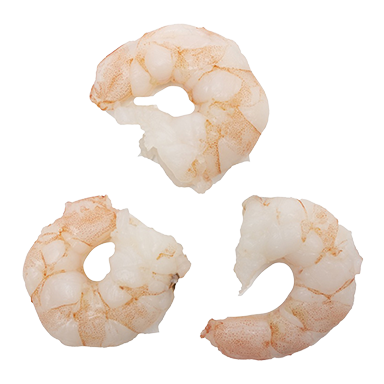
Product Forms
Whole Head-On
- Whole uncooked shrimp
- Fully intact and requires the operator to remove the head
- Primarily used in seafood boils and sautées
- Excellent for grilling
Sizing
When discussing shrimp sizes, the number refers to the number of shrimp contained in a pound of product. For example, 16/20 denotes 16-20 shrimp per pound. If you see a “U” designation, that stands for under. For example, U/8 shrimp means there are fewer than eight shrimp per pound.
U8, 8/12 and 13/15
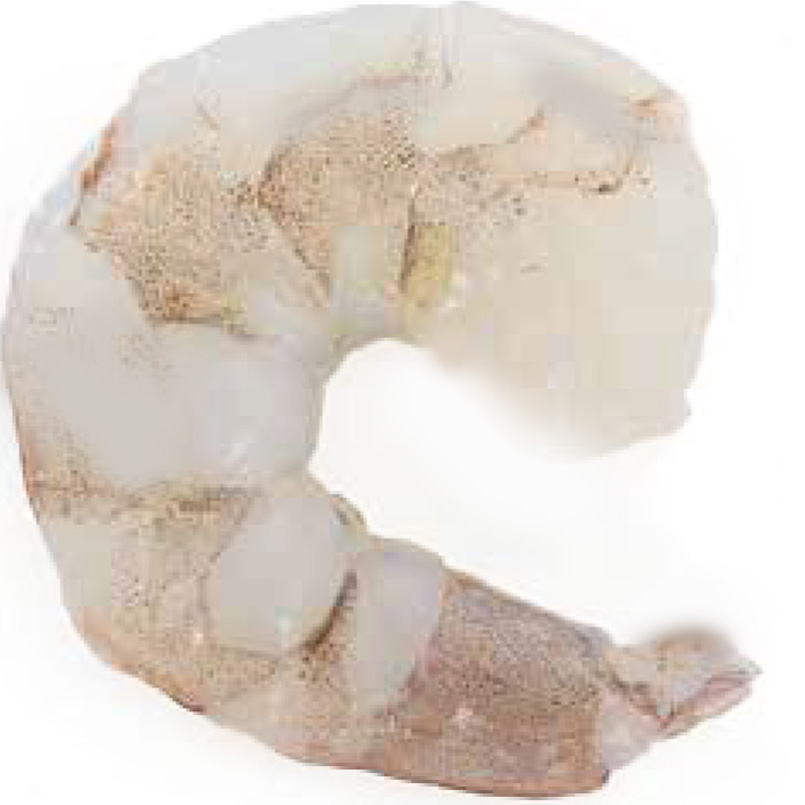
- Large shrimp with wow factor
- Often used in shrimp cocktail or center-of-the-plate (COP) applications
16/20 and 21/25
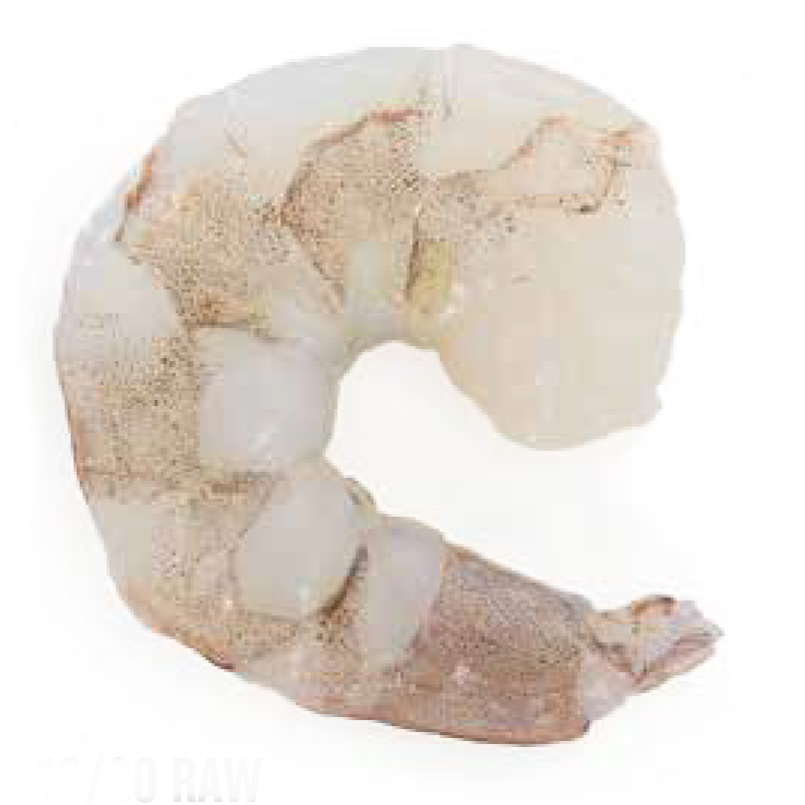
- Common entrée size
- 21/25 is often considered the workhorse size and a popular option among chefs
26/30 and 31/40
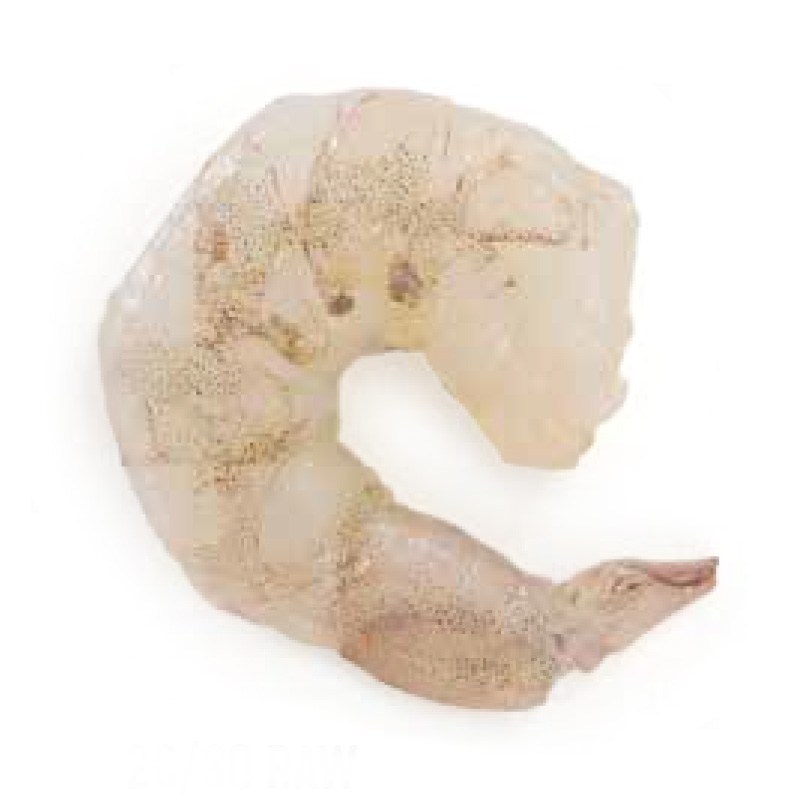
- Some of the most versatile sizes in the shrimp world
- Their size lends them to many applications, from appetizers to entrées
41/50, 51/60 and 60/70
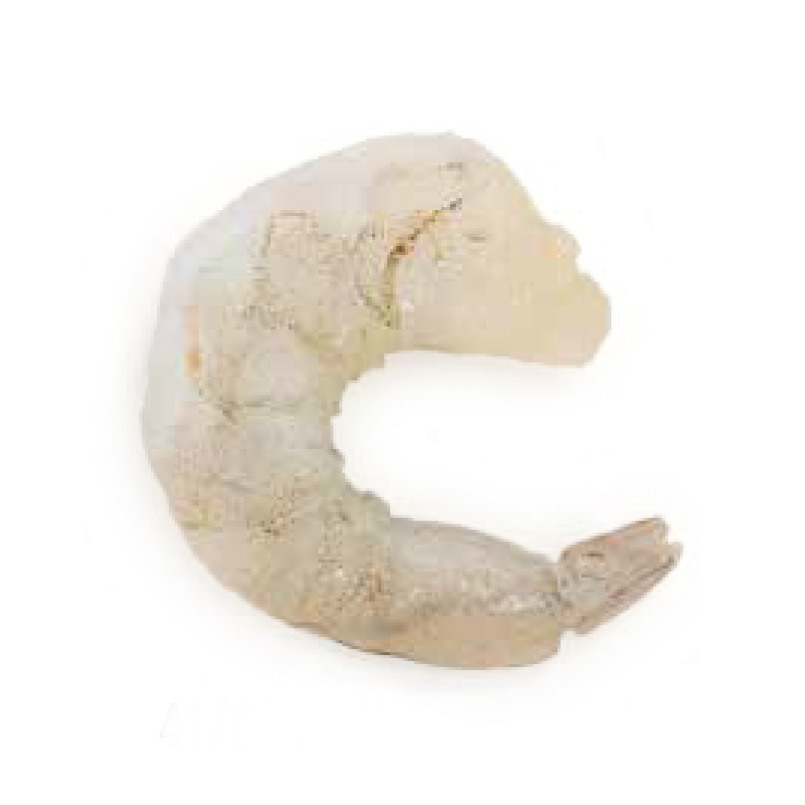
- The smaller the sizing, the more cost-effective the pricing
- These make a great ingredient in dishes
Important to note:
Every time you take a process step with shrimp, meaning you change its form, you lose a size.
Shrimp will generally lose one size per pound in the peeling and deveining process, and there is an additional size lost when cooked. When going from shell-on to cooked, you can expect up to two full sizes per pound to be lost.
Storage and Handling
Due to the various cooking profiles, please reference COP Cooler Map for the best ways to safely store and handle shrimp.